
 0
0Over the following guide you’ll learn how Pool Tile Edging Options transform pool aesthetics and function, helping you weigh clean minimalism against ornate detail. Explore Pool Tile Edging Options that fit your budget, maintenance needs, and design vision, from Modern pool edging tile designs to Natural Stone Pool Edging, and select Durable Pool Tile Edging and tile trim for pools that deliver lasting performance. Use this overview of Pool Tile Edging Options to refine your choice and elevate your pool edge.
Get Expert Help from Fujiwa Tiles
When you’re ready, consult Fujiwa Tiles to compare Pool Tile Edging Options side-by-side; their experts will review Pool Tile Edging Options, recommend Pool Tile Edging Options suited to your site, and advise on Pool Tile edge trim or Pool edge trim for installation.
Key Takeaways:
- Design variety: From clean lines to ornate profiles, Pool Tile Edging Options give visual impact and functional support; choosing the right Pool Tile Edging Options balances style, safety, and waterline performance.
- Material matters: Select porcelain, glass, or natural stone to match maintenance needs and longevity—Natural Stone Pool Edging and Durable Pool Tile Edging are popular; use tile trim for pools to protect edges, and explore Pool Tile Edging Options for low-maintenance choices; comparing Pool Tile Edging Options helps find the right material and finish.
- Installation & cost: Proper installation affects lifespan and warranty—invest in professional fitting for Pool Tile Edging Options to prevent leaks and chips; Pool Tile Edging Options can add value and modern appeal with Pool Tile edge trim and Modern pool edging tile designs.
Ready to Upgrade Your Pool?
Explore Fujiwa Tiles’ selection of Pool edge trim and complementary trims to find the right profile and finish. Request a sample, consultation, or installation quote from Fujiwa Tiles to finalize your edging choice and ensure professional results.

The Art and Science of Pool Edge Aesthetics
You can fine-tune sightlines and safety by selecting Pool Tile Edging Options that align coping height, waterline, and deck finish; profiles range from bullnose and L-shaped trims to integrated cantilever and glass-mosaic borders, with common tile thicknesses of 6–12 mm influencing durability and edge radius choices.
Defining Pool Tile Edging Options
Pool Tile Edging Options span bullnose, peel-and-stick L-trim, metal saddles, and full-stone copings. You should weigh profile, material, and installation tolerance: Pool Tile Edging Options let you specify tight 1–2 mm grout joints for mosaic bands or a 3–6 mm bevel for porcelain. For specialty needs, tile trim for pools offers preformed transitions that cut installation time.
The Role of Color and Texture in Design
Color shifts perceived water tone—deep navy or cobalt tiles make water read colder and deeper, while pale aquas add brightness; texture controls glare and traction, with glossy glass mosaics reflecting light versus matte porcelain lowering skid risk. Choose Pool Tile Edging Options to tune contrast: darker edges frame the pool, lighter edges broaden the visual field.
Case studies show results: a Mediterranean renovation used Natural Stone Pool Edging and 12 mm glass mosaics to achieve a sapphire hue and raised coping temperatures by 3–5°C versus white porcelain, while a modern hotel applied monochrome porcelain bullnose with 4 mm joints to reduce maintenance—use these figures to refine your Pool Tile Edging Options.
Ready to Upgrade? Talk to Fujiwa Tiles
Consult Fujiwa Tiles to match profiles, finishes, and certified installers to your site; request sample boards and warranty specifics so you can verify fit. Ask about Pool Tile Edging Options, lead times, and installation best practices to secure a durable finish that meets your design goals.
A Closer Look at Material Choices
The Timeless Appeal of Natural Stone Pool Edging
You get classic visual weight with granite, travertine, or limestone: granite often has under 0.5% porosity while travertine ranges 2–12%, which affects sealing intervals. Honed or flamed finishes deliver R10–R11 slip resistance and bullnose radii of 10–15mm soften the coping line. Natural Stone Pool Edging develops a patina, requires professional cutting to ±1–2mm tolerance, and typically needs sealing every 1–3 years, making it one of the most enduring Pool Tile Edging Options.
Innovations in Durable Pool Tile Edging
You can specify porcelain with water absorption below 0.5% and PEI 5 glaze, plus AISI 316 stainless trims and UV-stable PVC extrusions to minimize corrosion; these choices expand your Pool Tile Edging Options by offering frost resistance to −20°C. Factory anti-slip textures and anodized aluminum profiles simplify installation, many tile trim for pools come pre-drilled for mechanical fixing, and modern Pool Tile Edging Options often include 7–10 year manufacturer warranties.
You should pair epoxy or polymer-modified thinsets and 100% solids epoxy grouts in heated or high-chlorine pools, maintain 6–10mm expansion joints every 2–3m, and use mechanical fixing for metal trims; a Miami resort case using porcelain coping with 316 stainless trim reported under 2% maintenance callbacks after 8 years. Thermal cycling tests exceeding 500 freeze-thaw cycles favor porcelain and metal systems over softer stones, so your Durable Pool Tile Edging decisions—combined with correct adhesives and fixation—drive long-term performance, and Pool Tile Edging Options perform best when installation matches material stress profiles.
Choose Fujiwa Tiles for Your Pool Edge
You can order sample kits from Fujiwa Tiles to compare textures, slip ratings, and edge profiles in daylight and submerged conditions and to compare Pool Tile Edging Options side-by-side; review technical sheets to verify PEI, water absorption, and salt-spray resistance. Use Fujiwa Tiles’ design consult to align budgets, maintenance plans, and warranties so the selected Pool Tile Edging Options meet your lifecycle goals, and their specialists will help you finalize Pool Tile Edging Options with installation-ready drawings.
Stylish Solutions: Modern Pool Edging Designs
Clean-lined palettes pair with select trims to give your pool a contemporary feel; you can choose slim 1/2-inch bullnose or crisp mitred edges to maintain a seamless waterline. Pool Tile Edging Options that favor monochrome porcelain or matte-finished stone reduce visual clutter while improving slip resistance, letting you balance aesthetics with safety without sacrificing style.
Exploring Sleek and Minimalist Tile Trim for Pools
Opt for narrow, low-profile profiles and 12×24 porcelain or rectified tiles to keep sightlines uninterrupted; you can use a recessed metal channel or 3/8-inch grout joints for a razor-edge look. Minimalist tile trim for pools pairs well with light grout and a single accent course, and it streamlines installation while highlighting larger tile formats.
How to Incorporate Patterns for Impact
Use stacked mosaics, herringbone bands, or a 4–6 inch inset stripe to create focal points without overwhelming the deck; you can pick high-contrast glass mosaics or muted stone to control reflectivity. Pool Tile Edging Options that include patterned bands at the waterline or steps add visual depth and guide sightlines across the pool.
Design with specific scales: 1×1 glass mosaics in 4-inch bands catch light differently than 2×2 stone tiles, so you can alternate bands every 8–12 feet to create rhythm. Try a three-color palette with a 60/30/10 ratio, align pattern starts with coping seams, and use slip-resistant glass or pebble-backed mosaics to keep durability high. Pool Tile Edging Options placed on steps and corners should be bullnosed or coved to prevent sharp edges.
Ready to Upgrade Your Edging — Fujiwa Tiles
Contact Fujiwa Tiles to explore curated samples and installation specs tailored to your project; you can request mockups showing Modern pool edging tile designs and cost-per-linear-foot estimates. Fujiwa offers consulting on Durable Pool Tile Edging and can help you compare material lifespans, warranty terms, and maintenance for your chosen Pool Tile Edging Options.
Practical Considerations: Function Meets Design
Essential Factors for Selecting Pool Edge Trim
Select Pool Tile Edging Options based on load-bearing capacity, slip-resistance (COF ≥0.60 for wet footwear), and coping compatibility; 12–20 mm tile thickness changes the profile you need. Glazed porcelain handles chlorine and UV well, while Natural Stone Pool Edging may demand sealant and periodic re-sanding. For high-traffic pools you may prefer Pool Tile Edging Options with rounded nosing and stainless anchors. The checklist below sharpens your priorities:
- Safety: COF rating, rounded nosing, and visible contrast for steps
- Durability: material resistance to chlorine, salt, and UV
- Profile match: tile thickness, coping overlap, and transition height
- Installation: anchor type, adhesive specs, and service access
- Appearance: colorfastness, grout joint width, and compatibility with deck finish
Maintenance Insights for Long-lasting Appeal
Schedule weekly brushing and monthly non-abrasive cleaning for tiled edges; maintain pool pH 7.2–7.6 to protect grout and metal anchors on Pool Tile Edging Options. Rinse salt after splashover and avoid acid-based cleaners that etch finishes. Inspect grout and fasteners quarterly and re-seal porous trims annually. Choose Pool Tile Edging Options that match your maintenance tolerance and local water chemistry to reduce surprises.
Adopt a maintenance calendar: you should skim daily, brush tile edges weekly with a soft nylon brush, and deep-clean grout with pH-neutral cleaners every 3–6 months to preserve Pool Tile Edging Options. Re-seal natural stone every 1–3 years and swap corroded anchors promptly—stainless grades 316 resist salt better than 304. When evaluating Pool Tile Edging Options, prioritize fastening systems and adhesive specs; pairing the right trim with compatible grout and anchors extends service life. Durable Pool Tile Edging reduces corrosion risk and lowers long-term upkeep for your pool.
Take the Next Step with Fujiwa Tiles
Work with Fujiwa Tiles to test samples, verify coping compatibility, and review installation details; their catalog streamlines selection of Pool Tile Edging Options matched to your design and water chemistry.
Maximizing Safety with Pool Tile Edge Trim
Choose Pool Tile Edging Options that prioritize slip resistance and clear sightlines: look for rounded nosing, textured bullnose tiles, and metal trims with serrated inserts that boost grip. Specify tiles with a wet DCOF ≥0.42 and pair them with Pool Tile edge trim profiles that protect grout joints and reduce wear. Your selections influence liability, maintenance cycles, and long-term performance around commercial and residential pools.
Benefits of Non-slip Options in Edging
Selecting non-slip Pool Tile Edging Options reduces slip incidents, extends tile life, and simplifies housekeeping; anti-slip inserts and textured porcelain can cut slip risk while tolerating pool chemicals. You gain visual contrast for step edges and fewer repairs over time, especially if you choose Durable Pool Tile Edging or sealed natural stone with abrasive finishes suited for high-traffic decks.
Innovations in Safety Features for Pool Designs
Specify Pool Tile Edging Options that integrate LED-lit nosing, tactile strips, anti-microbial glazes, and micro-textured finishes to enhance barefoot traction and night visibility. Modern modular trims now include drainage channels and replaceable slip-in inserts, making upgrades and inspections easier for you while meeting evolving design demands.
Concrete examples: extruded aluminum nosing with replaceable thermoplastic grit inserts provides a measurable grip surface and resists chlorinated water; porcelain bullnose with a 3mm textured band offers consistent wet traction and colorfast contrast. You can combine high-visibility ceramic bands with concealed LED profiles to meet both safety standards and aesthetic goals without sacrificing maintenance access.
Ready to Upgrade Your Pool Edging
Contact Fujiwa Tiles to evaluate Pool Tile Edging Options tailored to your project: specify material, slip-rating, and replaceable trims to match design and safety targets, and request samples to test wet traction and color contrast before final selection.
Transformative Trends in Pool Tile Edging
Contemporary Pool Tile Edging Options push beyond simple bullnose to include slim metal inlays, mosaic step trims, and layered profiles that range from a 6mm radius to a 25mm ogee. You can pair 10–30mm trim widths with contrasting grout or hidden drainage channels to reduce algae buildup. Expect smart combinations—glass mosaics with porcelain bullnose or anodized aluminum accents—that let you balance aesthetics, slip resistance, and long-term maintenance in your pool projects.
Up-and-Coming Styles for a Unique Look
Designers are specifying inset metal ribbons, micro-beveled porcelain, and deep-relief mosaics to give pools a bespoke feel; lap pools favor 2–3 cm chamfered noses for comfort and waterline definition. You can adopt color-shifting iridescent tiles or hand-glazed blues to create focal points, and use engineered tile trim for pools to create a seamless transition between coping and interior finishes without sacrificing install speed.
The Shift Towards Eco-friendly Materials
Manufacturers now offer recycled-glass and reclaimed-clay trims with recycled content often between 30–50%, reducing landfill waste while matching performance of traditional pieces. You can choose low-VOC adhesives and solvent-free grouts to improve pool environs, and favor aluminum or recycled porcelain trims that avoid pressure-treated woods and minimize maintenance over the pool’s service life.
Product warranties of 10–20 years are increasingly common for eco-focused trims, giving you measurable confidence when selecting sustainable Pool Tile Edging Options. Case studies in coastal installations show recycled-glass bullnose resisting salt spray as effectively as standard porcelain when paired with stainless-steel anchors; specify proper substrate prep and stainless fixings to ensure longevity.
Upgrade with Fujiwa Tiles
Choose Fujiwa Tiles to explore curated Pool Tile Edging Options with expert guidance on profiles, colorways, and installation; you’ll find Durable Pool Tile Edging solutions and custom trims to suit commercial and residential pools. Contact Fujiwa Tiles for samples, technical specs, and a layout review to ensure your next pool edge delivers the exact look and performance you want.
To wrap up
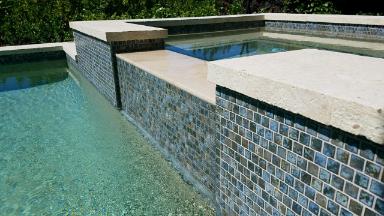
With this in mind you can select Fujiwa’s Pool Tile Edging Options to balance form and function; these Pool Tile Edging Options guide how waterline style, slip-resistance and finish perform. You’ll use Pool Tile Edging Options to define clean minimal lines or ornate profiles, choosing materials and details that suit your vision. Trust these Pool Tile Edging Options to elevate aesthetics while meeting durability and maintenance needs.
Get Started with Fujiwa Tiles
See Fujiwa Tiles’ Pool Tile Edging Options and compare finishes; view Pool Tile Edging Options samples and tile trim for pools to finalize your selection.
FAQ
Q: What are the seven pillars of Fujiwa’s pool tile edging options?
A: The seven pillars are: clean-line profiles, ornate profiles, material selection (ceramic, porcelain, glass, metal, and natural stone), edge safety (non-slip lips and rounded noses), finish choices (matte, gloss, textured), installation systems (mechanical, adhesive, and integrated trim), and decorative accents (inlays and mosaics). These pillars define how Fujiwa approaches Pool Tile Edging Options for both function and style.
Q: How do I choose between a minimalist edge and a richly detailed edge?
A: Start with the pool’s architectural intent and maintenance tolerance. Minimalist edges suit modern geometry and low upkeep; ornate edges add visual weight and can highlight focal areas. Consider scale, pool coping, and waterline height. Consult options for tile trim for pools to match installed tiles and coping; Fujiwa’s catalog maps aesthetic choices to practical Pool Tile Edging Options so you can balance form and function.
Q: Which materials resist chemicals, sun, and pool movement best?
A: Porcelain and glass tiles resist chlorine and UV, metal trims with proper coatings offer crisp accents, and select natural stone profiles provide durable grip when sealed. For design-forward installations, view Modern pool edging tile designs that combine resilient substrates with attractive surfaces. Material choice is a major factor when evaluating long-term performance of Pool Tile Edging Options.
Q: What installation methods are available and how do they affect the final look?
A: Installation ranges from traditional mortar and grout to prefabricated edge trim systems and mechanical clips. Mortar allows custom shaping; prefabricated trim ensures consistent reveals and faster timelines. Edge systems influence grout lines, sightlines, and transition to coping—choose the method that aligns with your desired visual continuity and maintenance plan for selected Pool Tile Edging Options.
Q: How do cost and maintenance compare across the different edging choices?
A: Simple ceramic bullnose or rounded-edge tiles are cost-effective and low maintenance. Ornate mosaics and metal accents increase material and labor costs and may require more specialized cleaning or sealants. Factor in lifetime maintenance, replacement ease, and warranty when evaluating budgets; overall lifecycle costs vary widely across Pool Tile Edging Options.
Ready to Upgrade Your Pool Edge
Explore Fujiwa Tiles’ curated range to find Pool Tile Edging Options that match your vision and performance needs. Fujiwa Tiles offers selection guidance, sample ordering, and specification support so your chosen Pool Tile Edging Options deliver lasting beauty and fit seamlessly with the rest of the design.